
EVERGLADES
ThESE GRASSY WATERS are home to today’s cowboy country — an endless sea of grass, ancient creatures, and the Indigenous cultures who found peace in the swamp.
8 JULY 2025

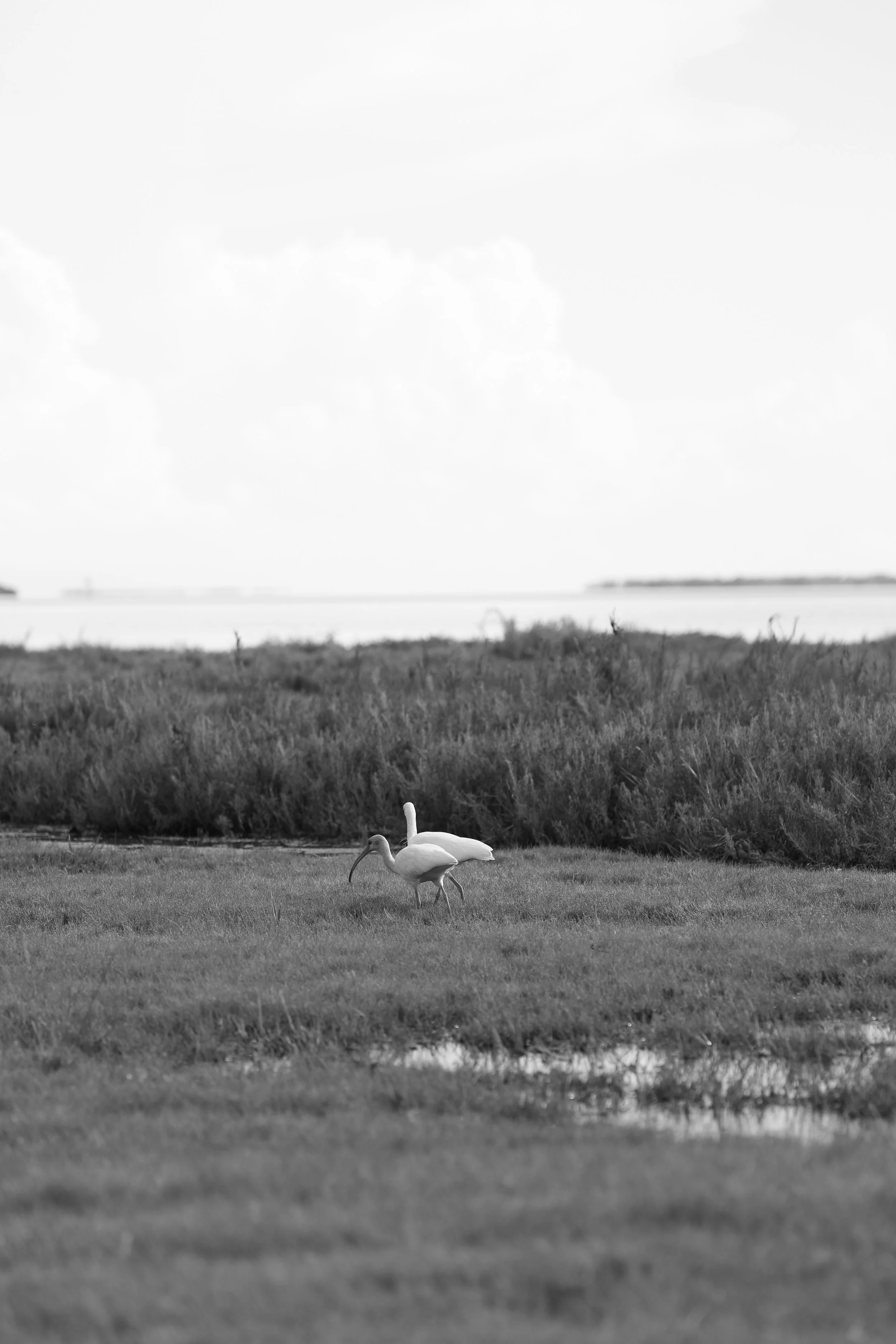
At first, the Everglades looked like nothing more than an endless stretch of grass and sky, blending into the horizon. After a few drives, I finally slowed down to watch closely. The light shifted slowly across the landscape, revealing textures and colors I hadn’t noticed before. The tall grass swayed in the wind, each blade alive moving together remidning me of the waves at sea. In that quiet stillness, the beauty of the Everglades unfolded a soft symphony.
During Florida’s rainy season, the Everglades absorbs and stores massive amounts of water, preventing floods in nearby areas. Its vast wetlands work like a sponge, soaking up excess water and releasing it gradually during drier months. This regulation ensures a steady supply of freshwater for agricultural and urban needs while protecting surrounding areas. The Everglades replenishes the Biscayne Aquifer, one of the largest sources of drinking water in the United States. This aquifer provides clean, fresh water to nearly 9 million of us in South Florida.
“The water is our lifeblood, and it flows through our land, keeping us strong and free.”
A MILLION BLADES
Roamin’ through the Everglades is like steppin’ into a living dream — a wild frontier where nature paints in light and silence. Sunlight dancing’ through cypress trees feels like the warm embrace of a campfire after a long day’s ride. In these parts, old souls lurk beneath the water’s surface and the song of herons gently echo through the sawgrass prairies. It’s more than just a scenic show; it’s a vital piece of the land, filtering water we depend on and standing as a fortress against floods.
They say the first people called this place Pa-hay-okee — Grassy Waters — for the way the land and water move together, one heartbeat. The Florida panther, the American crocodile, the West Indian manatee — they all share this rhythm. Over three hundred species of birds act like a thousand quiet stories in the reeds, They are accompied in the water by hundres of fresh & saltwater fish. With over 50 species of reptiles, many from foregin lands, navigating these waters feel like the Serengeti of Florida. In my quest around the world for rugged environments, one of the wildest places was the one I call home. Sometimes, our own backyard is the greatest exploration.
EVERGLADES, FLORIDA
25.2866° N, 80.8987° W

MOSSY TOWERS



DINOSAURS
A testament to evolutionary grit, they’ve survived cataclysmic events and still glide through these waters today. The alligator — a creature older than the Everglades themselves, more than 150 million years in the making — moves with the calm authority of something that has seen it all. There’s an ancient stillness in its gaze, a quiet reminder that these waters have known life for eons. Draped from cypress and oak, Spanish moss sways like ghostly ribbons above these old souls, a living curtain connecting past and present.
The Everglades isn’t just a place — it’s living history, and the gator its patient, enduring witness. Here they are a symbol of nature’s persistence and power, a creature unchanged by the passing of time.
THE KEY
Once you’ve spent enough time in the wilderness, you learn the secret to seeing more is to be still & listen. She is watching you more than you are watching her and what you are searching for may have already found you.